 Dr. Wendy Rose-Hyatt
 Dr. Jake Hyatt
 Dr. Allyson Hyatt
 Dr. Naomi Trause
Protect Your Smile with Dental Sealants
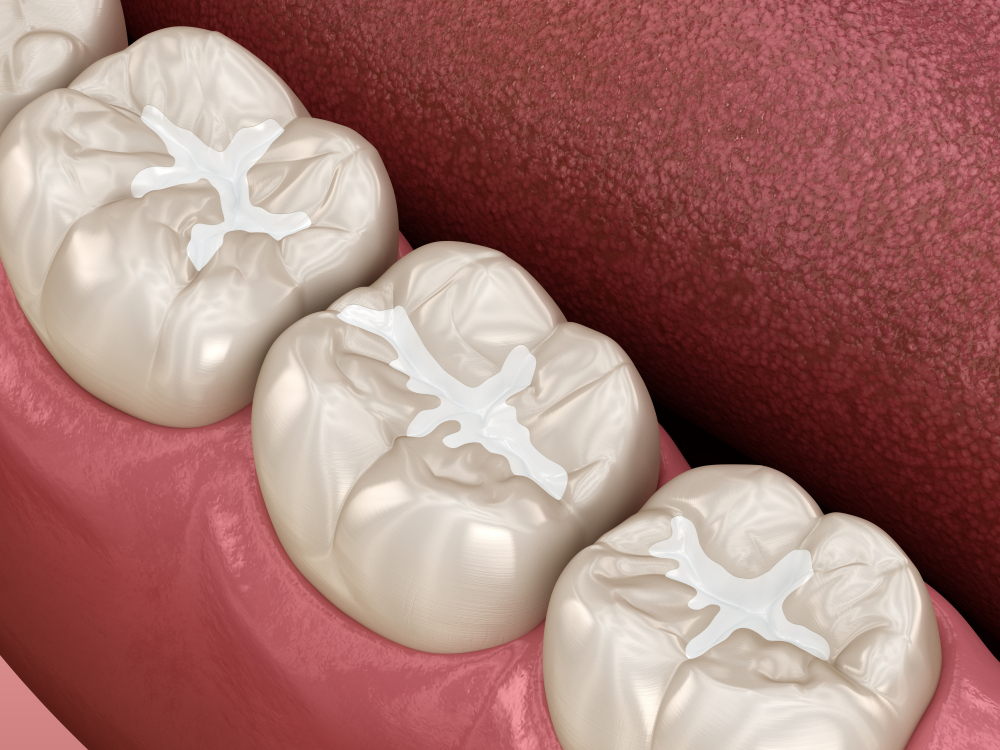
Dental sealants are a simple, effective way to prevent cavities and protect your teeth, especially the back teeth that are most prone to decay. At Caring Dental in Middle River, MD, our dentists—Dr. Wendy Rose-Hyatt, Dr. Jake Hyatt, and Dr. Allyson Hyatt—use advanced dental materials to create a protective coating over the chewing surfaces of your permanent molars and premolars. This painless process is an easy way to safeguard your oral health for years to come.
Whether your child is just getting their first molars or you’re an adult looking to reduce the risk of tooth decay, dental sealants provide an extra layer of protection that complements daily brushing, flossing, and fluoride use. By filling in grooves and fissures on the surfaces of the back teeth, sealants prevent leftover food particles and plaque from reaching the enamel and starting cavities.
What Are Dental Sealants and How Do They Protect Teeth?
Dental sealants are thin, plastic coatings applied to the chewing surfaces of your back teeth, particularly first and second molars. These teeth have deep grooves and fissures where brushing alone may not remove food debris effectively. Sealants act as a physical barrier, shielding enamel from acids and bacteria that cause tooth decay.
The process is quick, painless, and non-invasive. After cleaning and drying the teeth, our team applies a liquid sealant, which hardens into a durable protective shield. This barrier helps prevent cavities in high-risk areas and reduces the need for fillings or more extensive dental procedures in the long run.
Sealants do not replace good oral hygiene but provide an extra layer of protection, especially for patients prone to cavities or with rough enamel surfaces.
Who Should Consider Dental Sealants?
Dental sealants are recommended for:
- Young children: When first and second permanent molars erupt, usually between ages 6 and 14.
- Teenagers: High-risk teens with deep grooves in their teeth or a history of cavities benefit greatly.
- Adults: Individuals who have no decay but want additional protection on their molars can also receive sealants.
Our dentists evaluate each patient’s oral health and tooth structure to determine if sealants are appropriate. Children with baby teeth or adults with existing restorations may still benefit from targeted sealant applications.
How Dental Sealants Are Applied
The application of dental sealants is quick and painless.
Step 1: Cleaning and Drying the Tooth
The first step is a thorough cleaning of the tooth to remove plaque, food particles, and debris. Once cleaned, the tooth is dried completely to ensure the sealant adheres properly.
Step 2: Preparing the Tooth Surface
A mild etching gel is applied to the chewing surface of the tooth. This roughens the enamel slightly, creating a better bond for the sealant material.
Step 3: Applying the Sealant
Our dentists carefully apply the liquid sealant to the tooth’s grooves and fissures. The material flows into every crevice, forming a protective coating over the enamel.
Step 4: Curing the Sealant
A special dental light is used to harden the sealant quickly. Once cured, it forms a durable shield that protects against cavities and tooth decay.
Step 5: Checking the Bite
Finally, our team checks your bite to ensure the sealant doesn’t interfere with chewing. Any necessary adjustments are made so the teeth fit comfortably together.
Are Dental Sealants Safe for Children and Adults?
Dental sealants are a safe and effective preventative measure. The American Dental Association supports their use for both children and adults. Sealant materials contain very low levels of bisphenol A (BPA), if any, and are designed to protect enamel without causing harm. Our team in Middle River, MD, reviews each patient’s health history to ensure sealants are safe and appropriate for their individual needs.
Sealants are especially useful for patients at higher risk of cavities, including those with a history of tooth decay, deep enamel fissures, or challenges maintaining optimal oral hygiene.
How Long Do Sealants Last?
Sealants are a durable, long-term solution for preventing cavities. On average, they last 5 to 10 years, though regular dental checkups can help identify wear and allow for reapplication if needed.
Our dentists at Caring Dental will examine the sealants during routine cleanings to ensure they remain intact. Patients who maintain good oral hygiene, including brushing with fluoride toothpaste and flossing around the treated teeth, tend to experience the most extended protection.
Can Dental Sealants Prevent Cavities Completely?
While sealants significantly reduce the risk of cavities, they do not guarantee complete prevention. Proper oral hygiene, fluoride use, and regular dental visits remain essential. Sealants are most effective when used alongside other preventative measures to maintain a healthy mouth.
Even with sealants, children and adults should continue brushing twice daily, flossing, and attending professional dental cleanings. Our Middle River team can guide you in combining sealants with a comprehensive oral care routine for optimal results.
At What Age Are Dental Sealants Most Effective?
Sealants are most effective when applied as soon as permanent molars and premolars erupt. This timing provides maximum protection during the early years when teeth are highly susceptible to decay.
For children, this typically occurs around ages 6 to 14, while adults can benefit from sealants applied to healthy molars at any age. Our dentists tailor recommendations to each patient’s oral health and risk factors.
Benefits of Dental Sealants
Dental sealants provide an effective and painless way to protect teeth from decay, especially on the chewing surfaces of back teeth. Our dentists recommend sealants as part of a comprehensive preventive dental care plan to maintain long-term oral health.
- Protection against cavities: Sealants form a physical barrier that shields deep grooves and fissures from food particles and plaque, reducing the risk of tooth decay.
- Preventive care for young children and adults: First and second molars, as well as premolars, benefit from this added layer of protection, helping maintain healthy teeth throughout life.
- Quick and painless application: The process is simple, safe, and requires no drilling or anesthesia, making it suitable for patients of all ages.
- Long-term effectiveness: With proper care and regular dental checkups, sealants can last for several years, helping prevent costly dental treatments in the future.
Dental sealants are a smart, proactive way to protect your smile and support overall oral health.
Caring for Your Teeth After Sealants
After dental sealants are applied, maintaining good oral hygiene is essential to maximize their protective benefits and support overall oral health. Patients should continue brushing at least twice a day with fluoride toothpaste, making sure to reach all surfaces of the teeth, including the sealed molars.
Flossing daily helps remove plaque and food particles from between teeth where sealants are not applied. Regular dental checkups and professional cleanings allow our dentists to monitor the condition of the sealants and ensure they remain intact.
Avoiding excessively hard or sticky foods can also prevent damage to the protective coating. By following these practices, patients can enjoy long-lasting protection against tooth decay and maintain healthy, strong teeth for years to come.
Protect Your Child’s Smile Today – Schedule an Appointment!
Dental sealants are an easy, effective, and painless way to protect teeth against decay, particularly on the chewing surfaces of back teeth. At Caring Dental in Middle River, MD, our team evaluates each patient’s oral health, risk factors, and tooth structure to create a personalized sealant plan.
Sealants complement daily brushing, flossing, and fluoride treatments, providing a protective shield on permanent teeth for years to come. Call us at 410-687-2777 to schedule an appointment and safeguard your smile with dental sealants today!
Frequently Asked Questions
Do sealants need any special care after they are placed?
No special routine is required beyond good daily oral hygiene. Brushing twice a day, flossing, and regular dental checkups help keep both your teeth and sealants in good condition. Sealants are designed to blend into your normal care routine.
Can dental sealants be placed over teeth that already have minor staining?
In some cases, yes. If the tooth has no decay, sealants may still be an option even with minor staining or discoloration in the grooves. Your dentist will evaluate whether the tooth surface is healthy enough for protection.
What happens if a sealant falls off?
If a sealant becomes loose or falls off, the tooth may lose some of its protection against decay. It’s important to let us know as soon as possible so the area can be evaluated and resealed if needed to maintain protection.
Are sealants still helpful if I already have a low risk of cavities?
Yes. Even patients with good oral health can benefit from sealants, especially on molars with deep grooves that are harder to clean. They provide an added layer of protection in areas where toothbrush bristles may not fully reach.